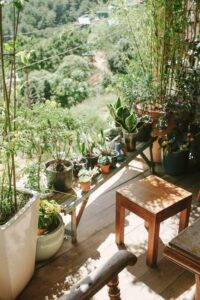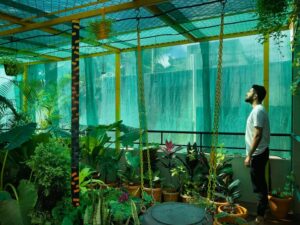
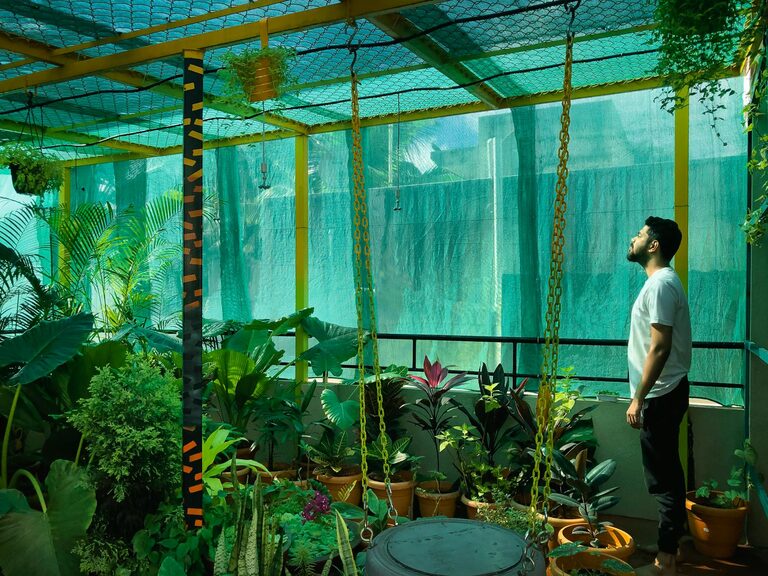
Creating a sustainable garden at home is a rewarding way to contribute to environmental conservation while enjoying a beautiful outdoor space. Sustainable gardening focuses on minimising waste, conserving resources, and supporting local ecosystems. Whether you have a large garden or a small balcony, there are plenty of ways to adopt green practices that benefit both you and the planet.
In this guide, we’ll explore practical steps for building a sustainable garden at home, from choosing plants to managing water wisely.
Why Choose Sustainable Gardening?
Sustainable gardening helps reduce the ecological footprint of your outdoor space. By using natural methods and resources efficiently, you can:
– Support biodiversity by providing habitats for pollinators and wildlife
– Reduce pollution and chemical use
– Minimise waste through recycling and composting
– Save water and energy
– Grow healthier plants and crops
Plan Your Sustainable Garden
Assess Your Space and Resources
Before planting, evaluate your garden’s size, sunlight, soil type, and local climate. Understanding these factors will help you choose appropriate plants and materials, reducing the need for extra watering or soil amendments.
Choose Native and Adapted Plants
Native plants are naturally suited to your region’s soil and weather. They generally require less water, fertiliser, and pest control than exotic species. Incorporating native flowers, shrubs, and trees also encourages local wildlife, including bees, butterflies, and birds.
Soil and Composting
Enrich Your Soil Naturally
Healthy soil is the foundation of a thriving garden. Avoid chemical fertilisers by enriching soil organically:
– Use well-rotted compost to provide nutrients
– Add mulch to retain moisture and suppress weeds
– Rotate crops annually to maintain soil balance
Start Composting at Home
Composting kitchen scraps and garden waste reduces landfill and creates nutrient-rich material for your garden. You can compost:
– Vegetable peelings
– Coffee grounds
– Grass clippings
– Fallen leaves
Avoid adding meat, dairy, or diseased plants to your compost bin.
Water Wisely
Collect Rainwater
Setting up a rainwater collection system, such as a water butt, allows you to capture and store rain for garden use. This reduces reliance on mains water and conserves valuable resources.
Use Efficient Irrigation
Water your plants early in the morning or late in the evening to minimise evaporation. Consider drip irrigation or soaker hoses to target water directly to roots, reducing waste.
Minimising Chemical Use
Encourage Natural Pest Control
Instead of pesticides, attract beneficial insects like ladybirds and lacewings which feed on common pests. Plant companion species such as marigolds or herbs that repel unwanted insects naturally.
Use Organic Fertilisers
Organic options like seaweed fertiliser or well-composted manure gently nourish plants and improve soil health without harsh chemicals.
Wildlife and Habitat Creation
Provide Shelter and Food
Adding bird feeders, bat boxes, or insect hotels transforms your garden into a sanctuary for wildlife. Plant a variety of flowering species that bloom at different times to offer continuous nectar and seeds.
Create Ponds or Water Features
Small ponds encourage amphibians and insects, contributing to a balanced ecosystem. Ensure any water features are safe and easily accessible for animals.
Reduce Waste and Reuse Materials
– Recycle garden containers and tools where possible.
– Use reclaimed wood or natural stones for garden borders and paths.
– Avoid plastic pots by opting for biodegradable alternatives.
Maintain Your Sustainable Garden
Regularly monitor your garden for signs of pests or disease and respond early with eco-friendly solutions. Keep paths clear and mulch topped up to make maintenance easier and more effective.
Final Thoughts
Creating a sustainable garden takes time and patience, but the benefits are worth the effort. Your eco-friendly garden will be a vibrant, healthy space that supports wildlife, conserves resources, and provides you with fresh produce or beautiful blooms. Start small, make gradual changes, and enjoy the process of growing your green haven.
By adopting these sustainable gardening practices, you’re not only caring for your garden—you’re making a positive impact on the environment for future generations. Happy gardening!