
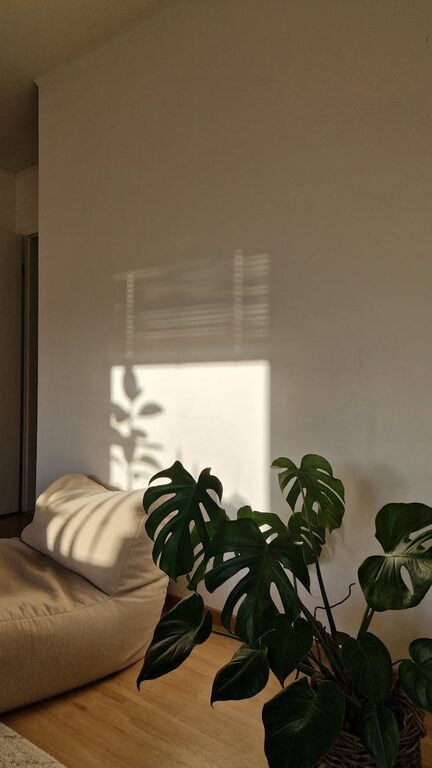
Creating a relaxing home environment doesn’t require major renovations or expensive purchases. Often, small, thoughtful changes in your décor can bring a sense of calm and comfort to your living space. Whether you want to unwind after a busy day or create a peaceful atmosphere for your family, simple décor updates can make your home feel more inviting and restful.
In this post, we’ll share practical tips for refreshing your space with easy-to-do décor changes. These ideas are designed to help you foster tranquillity without stress or overspending.
1. Choose Soothing Colour Palettes
Colour has a powerful effect on mood and wellbeing. To create a peaceful home environment, consider using soft, neutral tones or muted colours. Shades like pale blue, gentle greens, soft greys, and warm beiges promote relaxation and are easy on the eyes.
How to add calming colours:
– Paint an accent wall in a soft pastel shade.
– Introduce cushions, throws, or rugs in calming hues.
– Replace harsh lighting bulbs with warm white or soft yellow tones to enhance the colour effect.
Remember, it’s about balance — avoid overly bright or intense colours in spaces dedicated to rest.
2. Declutter and Organise
A cluttered space can cause stress and distraction. Simplifying your décor means removing unnecessary items and organising what remains neatly.
Tips for decluttering:
– Sort belongings and keep only items that serve a purpose or add joy.
– Use storage boxes, baskets, or shelves to keep surfaces tidy.
– Regularly update and clear spaces like the living room, bedroom, or hallway.
A clutter-free environment naturally feels more calming and welcoming.
3. Incorporate Natural Elements
Bringing nature indoors is one of the easiest ways to promote relaxation. Natural materials and greenery have a calming influence and improve air quality.
Ideas for adding nature:
– Place houseplants such as spider plants, ferns, or peace lilies around your space.
– Use wooden furniture or décor pieces to add warmth.
– Decorate with stones, shells, or natural fibre rugs.
Even a small potted plant on a windowsill can refresh your environment.
4. Use Soft Textures and Fabrics
Textures play a key role in creating comfort. Soft materials invite relaxation and help make rooms feel cosy and welcoming.
How to enhance texture:
– Add cushions and throws made from cotton, wool, or linen.
– Choose curtains or blinds that soften incoming light.
– Consider a plush rug to increase comfort underfoot.
Mixing various textures adds depth without overwhelming the room.
5. Optimise Lighting
Lighting impacts both mood and functionality. Creating layers of light can enhance comfort while allowing flexibility throughout the day.
Practical lighting tips:
– Use table lamps and floor lamps with dimmable bulbs.
– Maximise natural light during the day by keeping windows clean and curtains light.
– Avoid harsh overhead lights in relaxation areas; instead, opt for soft, indirect lighting.
Adding candles or fairy lights can also create a warm, inviting glow.
6. Add Personal, Meaningful Touches
Your home should reflect your personality and what makes you feel good. Adding meaningful décor items helps establish a peaceful atmosphere tailored to you.
Suggestions:
– Display favourite photos or artwork that evoke happy memories.
– Include books or objects that inspire calm and positivity.
– Incorporate scents through essential oil diffusers or scented candles using calming fragrances like lavender or chamomile.
Personal touches add warmth and identity to your space.
7. Create Dedicated Relaxation Zones
Designating specific areas for relaxation gives you a visual and mental cue to unwind. This could be a reading nook, meditation corner, or simply a spot with a comfortable chair.
How to set up:
– Choose a quiet corner with minimal distractions.
– Furnish it comfortably with cushions, a soft rug, and good lighting.
– Keep accessories simple to maintain a clutter-free zone.
By having a dedicated space, you’ll find it easier to take breaks and reduce stress.
8. Maintain Fresh Air and Pleasant Aromas
Air quality influences comfort and health. Ensure good ventilation and pleasant scents to boost relaxation.
Tips:
– Open windows daily to allow fresh air circulation.
– Use natural air purifiers such as plants or beeswax candles.
– Avoid strong artificial fragrances; go for essential oils with calming effects.
A fresh-smelling room feels inviting and promotes wellbeing.
—
Final Thoughts
Transforming your home into a relaxing retreat is achievable with these simple décor changes. Focus on soft colours, natural elements, organised spaces, and personalised touches. Small updates can significantly improve the atmosphere and help you feel calm and rested every day.
Start with one or two suggestions and gradually build your tranquil space. Your home should be a place where you feel peaceful and comfortable — a true sanctuary from the outside world. Happy decorating!