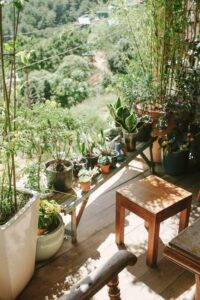

Creating a sustainable home garden is a rewarding endeavour that benefits both the environment and your wellbeing. By focusing on eco-friendly practices and thoughtful planning, you can enjoy fresh produce and colourful plants all year round. This guide will provide helpful tips to maintain a garden that supports biodiversity, conserves resources, and flourishes in every season.
Why Choose a Sustainable Garden?
Sustainability in gardening means working with nature rather than against it. It involves reducing waste, saving water, using natural fertilisers, and encouraging wildlife to thrive. A sustainable garden not only reduces your carbon footprint but can also be more cost-effective and easier to care for with the right strategies.
Planning Your Garden for Year-Round Success
Choose the Right Plants
Selecting plants that suit your local climate and soil conditions is crucial. Native plants are often more resilient and require less water and pesticides. For year-round interest, include a mix of:
– Perennials that return each year
– Seasonal vegetables that grow in different months
– Evergreen shrubs for winter greenery
– Flowering plants with staggered bloom periods
Create a Planting Calendar
Planning when to sow or plant helps ensure continuous growth and harvest. Use a gardening planner or app to organise your planting schedules according to seasonal changes.
Soil Health: The Foundation of Sustainability
Composting
Compost enriches your soil naturally and reduces the need for chemical fertilisers. Set up a compost bin with kitchen scraps, garden waste, and dry leaves. Regularly turn the pile to speed up decomposition.
Mulching
Apply mulch around plants to retain moisture, suppress weeds, and improve soil structure. Organic mulches like bark chips, straw, or grass clippings also break down to feed the soil.
Soil Testing
Periodically testing your soil helps you understand nutrient levels and pH balance, allowing you to amend it sustainably with natural materials.
Water Wisely
Water conservation is key in a sustainable garden.
– Collect rainwater using barrels or other containers.
– Water plants early in the morning or late in the evening to reduce evaporation.
– Use drip irrigation or soaker hoses to deliver water directly to roots.
– Group plants with similar water needs together to avoid waste.
Encourage Biodiversity
A healthy garden supports a variety of insects, birds, and small animals.
– Plant a range of flowers that attract pollinators like bees and butterflies.
– Incorporate native hedges or trees to provide shelter for wildlife.
– Avoid pesticides and opt for natural pest control methods, such as companion planting or introducing beneficial insects like ladybirds.
Embrace Crop Rotation and Companion Planting
Rotating your crops every season prevents soil depletion and reduces pests and diseases. Companion planting involves growing certain plants together to improve growth and protect each other, such as:
– Tomatoes with basil to repel pests
– Carrots with onions to deter carrot fly
– Beans to enrich soil with nitrogen for leafy greens
Use Sustainable Tools and Materials
Opt for garden tools made from sustainable or recycled materials. Wooden or metal tools tend to last longer and create less waste. When building raised beds or planters, choose untreated, natural wood or recycled materials.
Protect Your Garden in Winter
Winter can be a challenging time for your garden, but with some care, it can continue to thrive.
– Use cloches or cold frames to extend the growing season.
– Grow hardy winter vegetables like kale, Brussels sprouts, and leeks.
– Keep the soil covered with mulch or cover crops to prevent erosion and nutrient loss.
Keep Learning and Adapting
Gardening is a continual learning process. Observe how your garden responds to different techniques, weather conditions, and planting choices. Adjust your methods accordingly to make your sustainable garden even more successful each year.
Final Thoughts
Maintaining a sustainable home garden all year round is an achievable and enjoyable goal. It supports the environment, enhances your living space, and can provide fresh, homegrown food whenever you want. By following these tips and embracing eco-friendly habits, your garden will flourish through every season and bring you lasting satisfaction. Happy gardening!